
In the early stages of a creative studio, your workstation is your best friend. It handles the modeling, texturing, and the final output. But as projects grow in complexity, relying on a single machine creates a production ceiling. If you find yourself waiting for progress bars instead of creating, it is time to look at network rendering.
Table of Contents
ToggleThe True Cost of Local Bottlenecks
Using a local machine for rendering is technically free, but the hidden costs are high. When your GPU or CPU is at 100% load during a render, that workstation is effectively frozen. You cannot iterate. You cannot start the next task. This downtime kills momentum.
There is also the physical reality of hardware stress. Running a consumer-grade PC at peak temperatures for 48 hours straight accelerates component failure. Replacing high-end GPUs frequently is an expensive way to manage a pipeline.
Beyond the hardware, the mental toll is real. Deadline anxiety spikes when a single crash at 3 AM can ruin a week of work. Small teams often sacrifice creative quality just to ensure the render finishes on time.
The Power of Distributed Processing
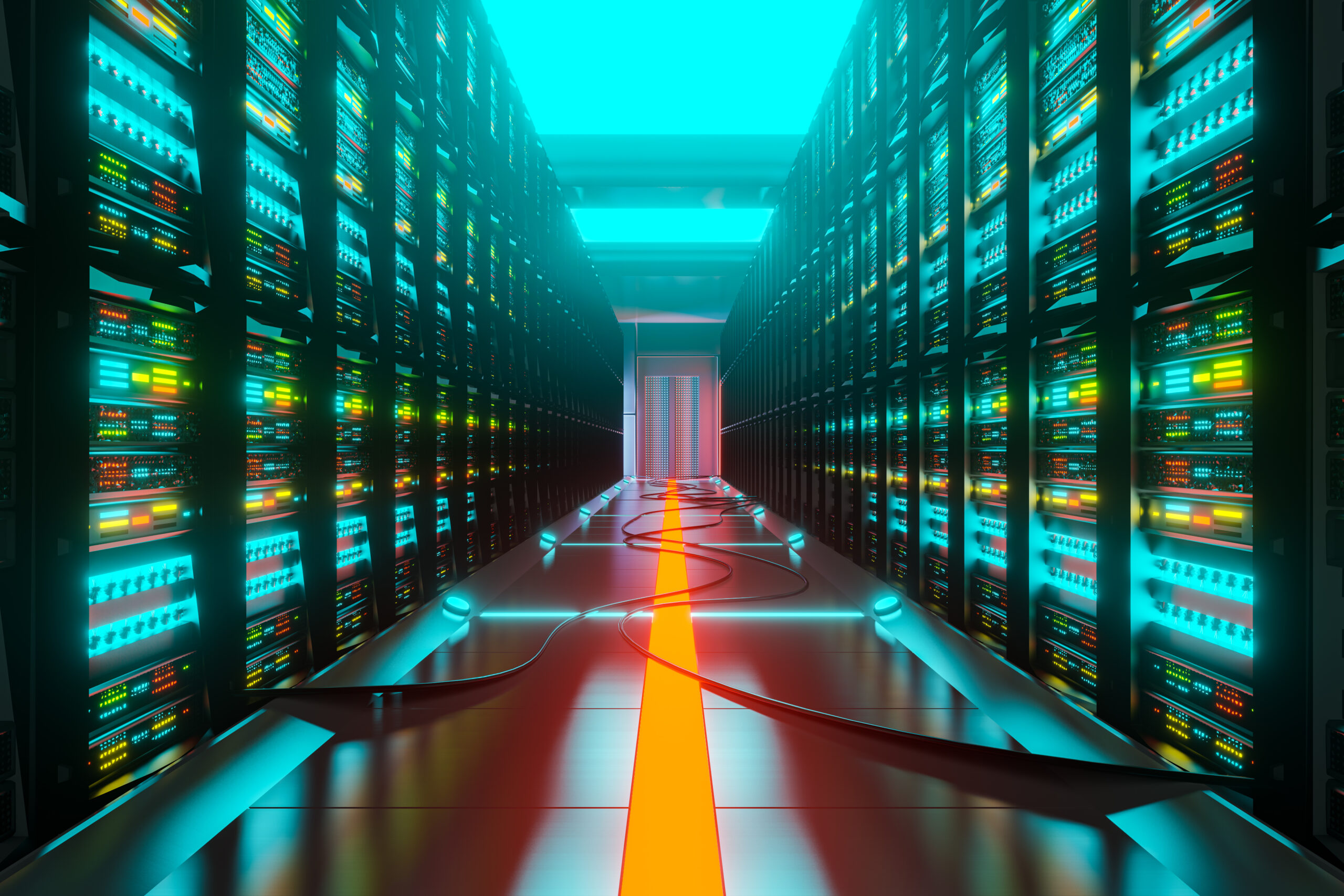
Network rendering moves the heavy lifting away from your desk. It uses distributed processing to spread the workload across multiple “nodes” or servers. Instead of one computer processing 300 frames sequentially, a farm can process dozens of frames simultaneously.
This parallelism turns days into hours. You gain the ability to manage node allocation based on what matters most. If Project A is due in two hours and Project B is due next week, you can point your rendering power where it is needed most. It provides a level of agility that a single machine simply cannot match.
Optimizing Your Pipeline Efficiency
Moving to a farm is not just about raw power; it is about a better workflow. Modern render managers automate the hand-off between your 3D software and the backend hardware. This reduces human error. You no longer need to manually check if every texture path is correct before hitting “Go.”
Real-time monitoring is another major upgrade. You can view error logs as they happen. If a frame fails due to a memory leak, you see it instantly rather than discovering it the next morning. To make this work, a high-speed local network is vital. Your assets must sync quickly between the workstation and the nodes to keep the processors fed and active.
Calculating the ROI of Network Power
Is it cheaper to buy five new workstations or pay for a render farm? Buying hardware requires a massive upfront investment, maintenance, and electricity. Farm subscriptions or cloud credits allow you to pay only for what you use. This turns a capital expense into an operational one.
The real Return on Investment (ROI) comes from speed. Faster turnarounds mean more time for client revisions. Higher quality work leads to better portfolios. Perhaps most importantly, having a proven rendering capacity allows you to bid on larger, more lucrative contracts. You stop being a “freelancer with a PC” and start operating like a high-output production house.